


How to Brand Company Vehicles: A Comprehensive Guide

Updated: Jun 12
Understanding the Importance of Vehicle Branding
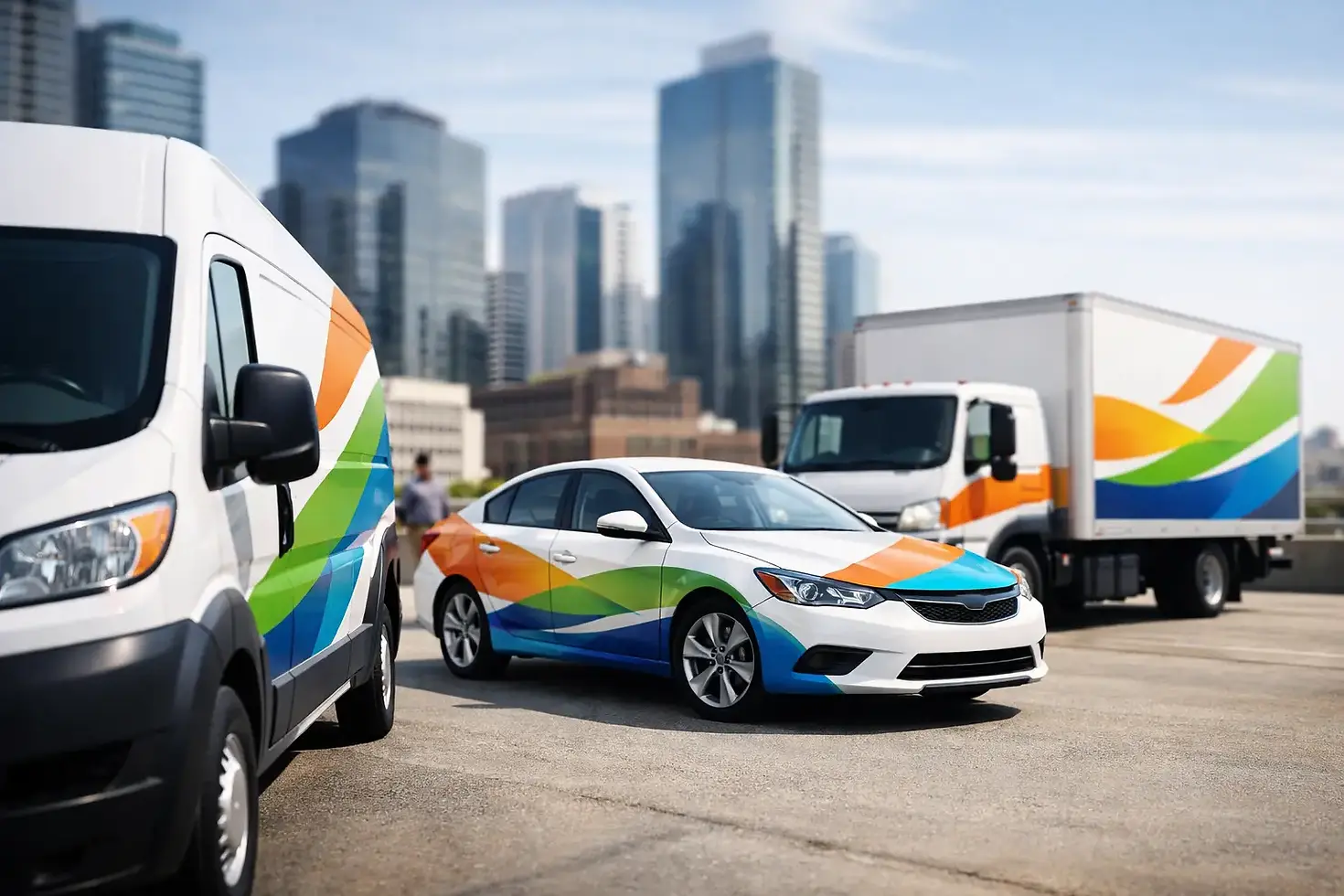
When it comes to branding, many businesses overlook the potential of their vehicles. A branded vehicle is more than just a mode of transportation; it is a mobile advertisement. It can capture attention and create lasting impressions. This is especially true in Northern California, where competition is fierce, and standing out is essential.
How to Brand Company Vehicles with a Clear Plan
The first mistake many companies make is treating vehicle branding as a decoration project instead of a business communication tool. Before colors, logos, or wrap materials come into the conversation, it helps to define what the vehicle needs to accomplish.
A plumber may want immediate legibility from the street. A property management company may need a polished fleet presence across multiple locations. A contractor may want branding that looks professional on a pickup but can also be adapted to vans, trailers, and equipment. The right approach depends on who needs to notice the vehicle and what they should remember after they see it.
That is why the planning stage matters. Good vehicle branding starts with a few practical questions. Where will the vehicles be seen most often? Are they parked at job sites, moving through neighborhoods, or sitting in commercial lots? How long do you expect to keep each vehicle? Are you branding one vehicle or creating a repeatable system for a growing fleet? Those answers shape the design, material choice, and installation strategy.
Start with Brand Consistency, Not Just a Logo
Many businesses assume branding a vehicle means placing a logo on the door and calling it done. Sometimes that is enough, but often it is a missed opportunity.
A strong vehicle graphic should match the rest of your visual identity. That includes your logo, brand colors, typefaces, imagery style, and overall level of formality. If your storefront, uniforms, business cards, and website feel clean and professional, your vehicles should reinforce that same impression. When they do not, the result feels fragmented.
Consistency matters even more for businesses with multiple vehicles. A fleet should look like it belongs to one company, even if the vehicles vary in size and model. That does not mean every truck or van must carry a full wrap. It does mean the layout, color use, and message hierarchy should be recognizable from one vehicle to the next.
This is where experienced design support pays off. A layout that looks good on a screen may not read well on a curved van panel or a truck bed door. Vehicle branding needs to account for body lines, handles, windows, wheel wells, and viewing distance. In practice, the vehicle itself becomes part of the design problem.
Decide What Information Belongs on the Vehicle
Most company vehicles do not need to say everything. They need to say the right things, quickly.
In most cases, the business name or logo should be the most prominent element. After that, include only the details a passerby can absorb in a few seconds. Usually that means a short service description, a phone number, and possibly a website if it is short and readable. If your business depends heavily on local recognition, your city or service area may also be useful.
The trade-off is simple. More information can make the vehicle feel informative, but too much information makes it harder to read. A crowded design gets ignored because the eye does not know where to land. Clean hierarchy almost always performs better than trying to fit every service and selling point onto the panel.
There are exceptions. Some service vehicles benefit from listing multiple specialties, especially if they are parked for long periods at jobsites. But even then, restraint usually leads to better results. The viewer should understand who you are and what you do within a glance.
Choose the Right Level of Coverage
When people ask how to brand company vehicles, they often think the only options are a small decal or a full wrap. In reality, there is a useful middle ground.
Simple door lettering works well when budget is tight, the vehicle is temporary, or the company wants a modest professional look. Partial graphics offer more presence and design flexibility without covering the entire vehicle. Full wraps create the strongest visual impact and allow the most complete transformation, which can be especially effective for businesses that want to dominate attention in local traffic.
The best option depends on budget, vehicle lifespan, and branding goals. A service business with one main van may benefit from a full wrap because that vehicle represents the company in public every day. A larger fleet might use a more standardized partial wrap system to balance cost and consistency. Neither choice is automatically better. It depends on how the vehicles are used and how long the branding needs to last.
Materials and Installation Matter More Than Most Buyers Expect
Vehicle graphics are exposed to sun, rain, road grime, washing, and daily wear. In Northern California, UV exposure alone can be hard on lower-quality materials. That is why durability should be part of the conversation from the start.
Good vinyl, proper lamination, and skilled installation make a visible difference over time. Edges hold better. Colors stay stronger. Graphics conform more cleanly to the surface. Cheap materials can look acceptable at first, but failure tends to show up early through peeling, fading, bubbling, or cracking.
Installation matters just as much as material selection. Vehicles have contours, recesses, and surfaces that need careful preparation and application. A poor install can shorten the life of even a quality product. If your vehicles are part of your public image, craftsmanship is not a cosmetic detail. It protects the investment.
Think About the Vehicle Type and the Real-World Environment
A branding strategy for a cargo van is not identical to one for a box truck, pickup, trailer, or service car. Each has different sightlines and different design opportunities.
Large, flat-sided vehicles can support bold graphics and larger messaging. Smaller vehicles may need simpler layouts to avoid looking cluttered. Pickup trucks can be effective, but the bed break, rear quarter panels, and tailgate all affect composition. If ladders, toolboxes, or racks are involved, those need to be accounted for early so they do not block key information.
It also helps to consider where the vehicle is typically viewed. A van moving through city traffic is often seen from the side. A truck parked in a driveway may be viewed from the rear for longer periods. A fleet parked in front of a facility creates a different branding moment than one moving between calls all day. Good design responds to those conditions instead of ignoring them.
Compliance and Professionalism Still Count
Branding should never interfere with safety, required markings, or visibility. Window coverage, reflective needs, DOT-related markings, and other vehicle-specific considerations may apply depending on your industry and vehicle use. A professional sign partner can help flag those issues before production begins.
Professionalism also shows up in the small choices. Fonts should be readable. Colors should create contrast. Images should be high enough quality to print well at scale. If the design looks dated or overly busy, the vehicle can send the wrong message even if all the basic information is present.
That is especially important for businesses entering homes, commercial properties, or managed sites. A well-branded vehicle signals legitimacy before your staff steps out. For contractors, service providers, and field teams, that first impression has real value.
Keep Long-Term Maintenance in Mind
Vehicle branding is not a one-time decision with no follow-up. Over time, vehicles get replaced, contact details change, and graphics take wear. It helps to plan for upkeep from the beginning.
If you operate multiple vehicles, establish a repeatable standard so new additions can match the existing fleet. If your phone number, service list, or logo is likely to evolve, talk through how those updates would be handled later. Even washing practices matter. Proper care can extend the life of graphics and help vehicles keep a sharp appearance.
This is one reason many businesses prefer working with a full-service local sign company rather than piecing the job together. Design, production, installation, and future updates are easier to manage when the vehicle branding is part of a broader signage relationship. For companies that also need exterior signs, window graphics, or wayfinding, that consistency can be especially useful.
A well-branded vehicle should do more than fill space on a door panel. It should represent your business clearly, hold up in daily use, and make people remember your name when they need what you offer. If the design is thoughtful and the execution is solid, your vehicles keep advertising long after the initial install is done.
Conclusion: Elevate Your Brand with Effective Vehicle Graphics
Investing in vehicle branding is an opportunity to elevate your business. It’s not just about aesthetics; it’s about creating a lasting impression. With the right strategy, your vehicles can become powerful marketing tools that work for you every day. So, let’s get started on making your vehicles stand out!



Comments